Let’s talk about the channel that everyone underestimates and almost no one uses to its full potential. Email marketing.
Yes, email. The thing you’ve had since you were 13. The thing that feels old school compared to Instagram reels and YouTube shorts. And yet, it consistently outperforms almost every other marketing channel when it comes to actual returns.
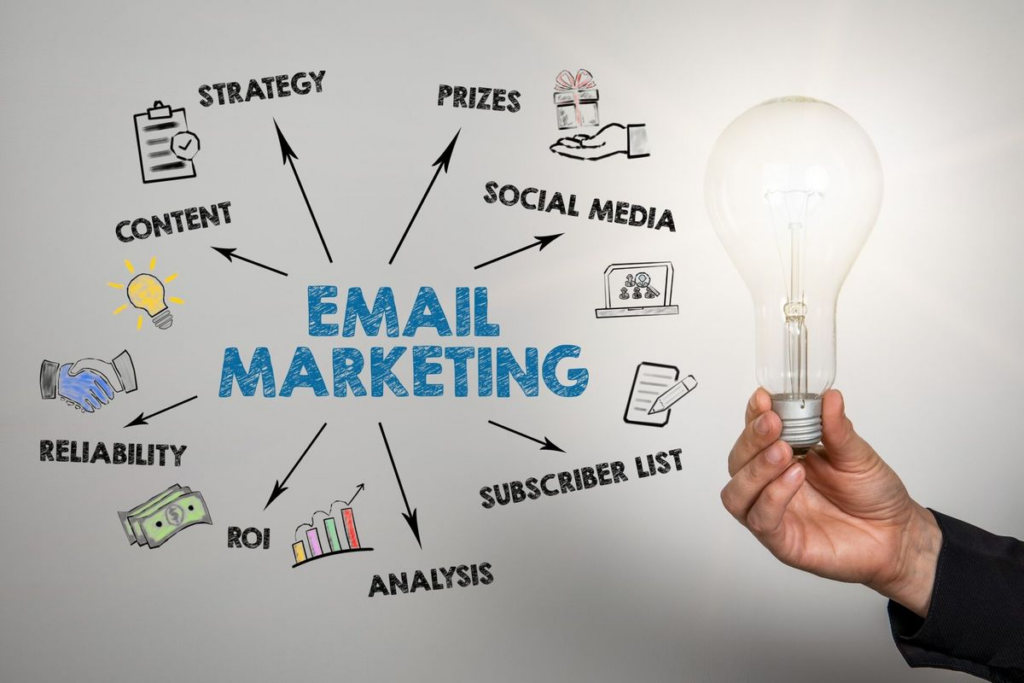
So if you’ve been sleeping on email marketing, this one’s for you.
What is Email Marketing?
Email marketing is exactly what it sounds like. It’s using email to communicate with your audience, build relationships, and ultimately drive them to take action, whether that’s buying something, signing up for something, or simply staying connected with your brand.
It could be a weekly newsletter. A promotional offer. A product launch announcement. A welcome email when someone signs up. A follow up after a purchase. All of it falls under email marketing.
The key difference between email and every other channel is this. On Instagram or YouTube, you’re renting space on someone else’s platform. The algorithm decides who sees your content. Email is different. When someone gives you their email address, you have a direct line to them. No algorithm, no competition for attention, no middleman. Just you and your reader.
That’s why marketers who understand email treat their email list like gold.
Why Email Marketing Still Works in 2026
Here’s something that might surprise you. Despite everything that’s happened in the digital space over the last decade, email marketing still delivers one of the highest returns on investment of any marketing channel.
Think about your own behaviour. How many times have you bought something after getting an email about it? A discount code landing in your inbox right when you were already thinking about buying. A newsletter reminding you about a brand you’d forgotten. A product launch email that made you click immediately.
That’s email marketing doing its job.
And unlike social media followers who may or may not see your posts, your email subscribers have actively chosen to hear from you. That intent matters. A list of 500 genuinely interested subscribers will almost always outperform 5,000 passive social media followers when it comes to conversions.
The Basic Building Blocks
Before you start sending emails, there are a few things you need to understand.
Your Email List
This is the foundation of everything. Your email list is a collection of people who have opted in to hear from you. And the word opted in is important here. You should never buy email lists or add people without their permission. Not only is it ineffective, it can seriously damage your sender reputation and get your emails marked as spam.
Build your list organically. Offer something valuable in exchange for someone’s email, a free guide, a discount, a checklist, a resource, anything that’s genuinely useful to your audience. This is called a lead magnet and it’s one of the most effective ways to grow a quality list.
Your Email Service Provider
You can’t send bulk emails from your regular Gmail account. You need an Email Service Provider, also called an ESP. This is a platform that lets you build your list, design emails, automate sequences, and track performance.
Some popular ones to start with are Mailchimp, which has a free plan and is great for beginners. ConvertKit, which is popular among creators and personal brands. And Brevo, which is affordable and easy to use. All of these have beginner friendly interfaces so you don’t need to be technical to get started.
Types of Emails You Can Send
Not all emails are the same. Here’s a quick breakdown of the main types:
Welcome Emails are the first email someone gets after signing up. This is your first impression so make it count. Introduce yourself, tell them what to expect, and deliver whatever you promised when they signed up.
Newsletters are regular emails, weekly, biweekly, or monthly, that keep your audience updated and engaged. They could include tips, insights, curated content, or updates about your brand.
Promotional Emails are used when you want to drive a specific action. A sale, a product launch, a limited time offer. These are more sales focused but should still provide value.
Automated Sequences are a series of emails that go out automatically based on a trigger. For example, when someone signs up, they automatically receive a welcome email, followed by a few more over the next week introducing your brand. This is called a drip campaign and it’s one of the most powerful things about email marketing.
How to Write Emails People Actually Open
Here’s the truth. The best email in the world means nothing if nobody opens it. And the biggest factor in whether someone opens your email is your subject line.
Your subject line should be short, specific, and give the reader a reason to open. Create curiosity. Hint at value. Make it feel personal. Avoid clickbait though because if your email doesn’t deliver on what the subject line promises, people will unsubscribe or stop opening your emails altogether.
Once they’re inside the email, keep it simple. Write like you talk. One clear message per email. One clear call to action. Don’t try to say ten things at once. The more focused your email is, the more likely someone is to take the action you want.
And always write to one person, not a crowd. Even if you’re sending to ten thousand people, your email should feel like it was written for the individual reading it. Use their name if you can. Keep the tone conversational.
What to Track
Once you start sending emails, you need to know what’s working. Here are the main numbers to pay attention to.
Open Rate is the percentage of people who opened your email. A good open rate varies by industry but generally anything above 20 percent is solid for beginners.
Click Through Rate is the percentage of people who clicked a link inside your email. This tells you if your content and call to action are compelling enough.
Unsubscribe Rate tells you how many people opted out after receiving your email. A small number of unsubscribes is normal. A spike usually means something in your email missed the mark.
Check these numbers after every email and use them to improve. If your open rates are low, work on your subject lines. If your click through rates are low, look at your content and your call to action.
Common Beginner Mistakes to Avoid
Sending too many emails too soon is one of the fastest ways to lose subscribers. Give people time to warm up to hearing from you.
Being too salesy from the start is another one. Build trust first. Deliver value consistently. The sales will follow naturally.
Not being consistent is also a mistake a lot of beginners make. You don’t have to email every day but pick a frequency and stick to it. If people expect to hear from you every Tuesday and you disappear for a month, they’ll forget who you are.
And not having a clear purpose for each email. Every email you send should have one goal. Know what you want the reader to do after reading it, and make sure everything in the email points towards that.
Final Thought
Email marketing isn’t glamorous. It doesn’t go viral. It doesn’t get you the dopamine hit of a post blowing up on Instagram. But it works. Quietly, consistently, and often better than anything else in your marketing toolkit.
If you’re serious about building a brand online, start building your email list today. Not next month. Not when you hit a certain number of followers. Today.
Because at the end of the day, your email list is the one thing you truly own online. And that ownership is everything.
If you want help figuring out where to start with email marketing, Digital Archi has you covered. Browse the blog and let’s build something that lasts.